

With the widespread use of LED lamps, more and more people are beginning to pay attention to their performance and quality. Among these factors, the substrate material of an LED lamp is one of the important elements determining its performance and lifespan. Aluminum substrates and copper substrates are two common LED lamp substrate materials. So what are the differences between them?
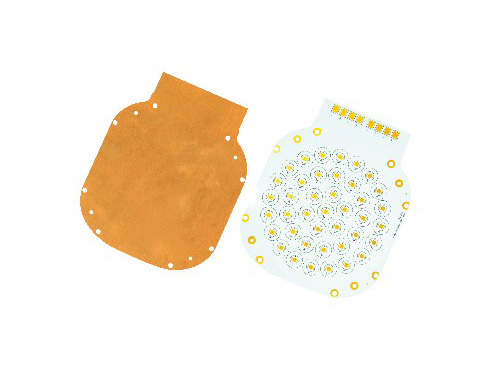
1. Material cost
Copper substrates cost more than aluminum substrates, because copper has better electrical and thermal conductivity and therefore requires more raw material to produce. In comparison, aluminum substrates are relatively low in cost, but their thermal and electrical conductivity are also relatively poorer.
2. Thermal conductivity
LED lamps need sufficiently good heat dissipation, because high temperatures affect their performance and lifespan. Copper substrates have better thermal conductivity than aluminum substrates, so they are usually used in LED lamp designs requiring higher power. Aluminum substrates have relatively poorer thermal conductivity, but this is adequate for low-power LED lamp designs.
3. Electrical conductivity
Copper conducts electricity much better than aluminum, so copper substrates are usually used in LED lamp designs requiring higher frequencies, because copper transmits high-frequency signals better. Aluminum substrates have relatively poorer electrical conductivity, but this is adequate for low-frequency LED lamp designs.
4. Corrosion resistance
Copper substrates will be corroded when exposed to acidic substances and need appropriate protective measures. Aluminum substrates form an oxide layer when corroded by moisture, and this oxide layer can protect the aluminum substrate from corrosion.
Overall, the differences between aluminum substrates and copper substrates lie in thermal conductivity, electrical conductivity, corrosion resistance, and cost. The choice of substrate should take into account the power requirements, frequency requirements, and heat dissipation needs of the LED lamp. When high power and high frequency are required, a copper substrate should be chosen; when low power and low frequency are required, an aluminum substrate can be chosen. Note, however, that any substrate requires proper heat dissipation design to ensure the performance and lifespan of the LED lamp.
This article has introduced the differences between aluminum substrates and copper substrates for LED lamps. We hope it helps you choose the substrate material that suits your needs. If you have any questions or suggestions, please feel free to contact us.












