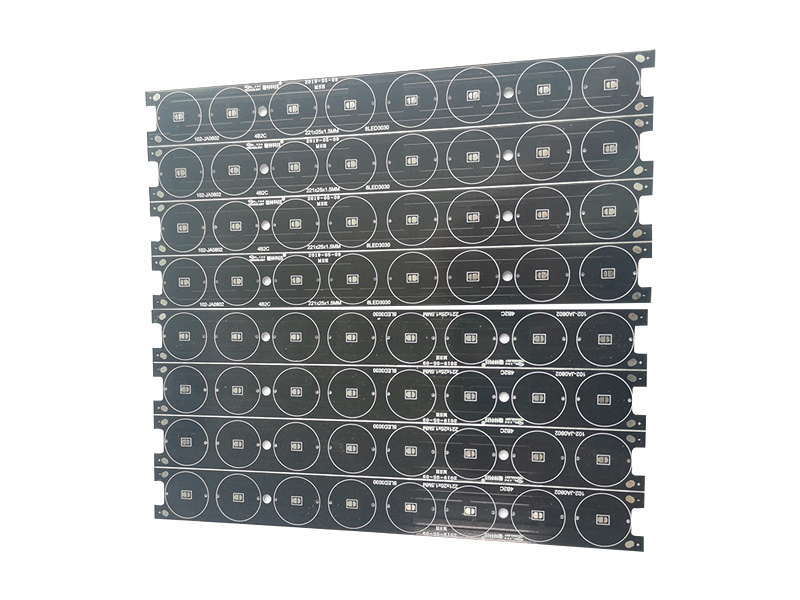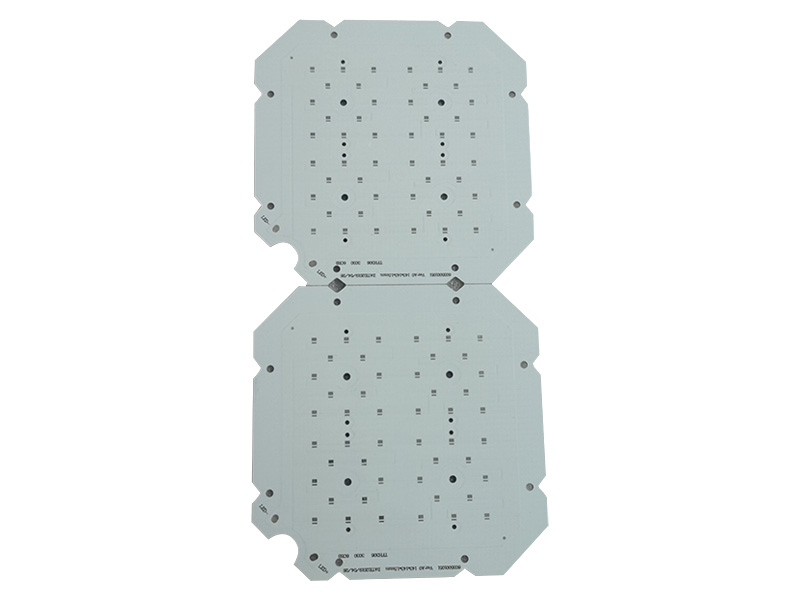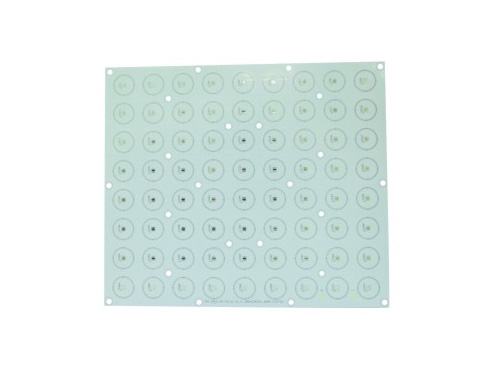
The PCB aluminum substrate goes by many names: aluminum-clad board, aluminum PCB, metal-clad printed circuit board (MCPCB), thermally conductive PCB, and so on. The advantage of the PCB aluminum substrate is that its heat dissipation is significantly better than that of a standard FR-4 structure. The dielectric used is typically 5 to 10 times more thermally conductive than conventional epoxy glass, and one-tenth the thickness of a traditional rigid PCB in terms of heat-transfer index, making it more efficient. Let us now understand the types of PCB aluminum substrates.
PCB Aluminum Substrate Classifications
I. Flexible Aluminum Substrate
One of the latest developments in IMS materials is the flexible dielectric. These materials provide excellent electrical insulation, flexibility, and thermal conductivity. When applied to flexible aluminum materials such as 5754 or similar, products can be formed into various shapes and angles, which can eliminate expensive fixtures, cables, and connectors. Although these materials are flexible, they are designed to bend into place and remain there.
II. Hybrid Aluminum Substrate
In a "hybrid" IMS structure, the "sub-assemblies" of non-thermal material are processed independently, and then Amitron Hybrid IMS PCBs are bonded to the aluminum base using thermal material. The most common structure is a 2-layer or 4-layer sub-assembly made of conventional FR-4; bonding this layer to an aluminum base with a thermal dielectric helps dissipate heat, improves rigidity, and acts as a shield. Other benefits include:
1. Lower cost than building with all thermally conductive material.
2. Better thermal performance than standard FR-4 products.
3. Elimination of expensive heat sinks and related assembly steps.
4. Usable in RF applications that require the RF loss characteristics of a PTFE surface layer.
5. Using component windows in the aluminum to accommodate through-hole components, which allows connectors and cables to pass through the substrate while solder fillets produce a seal without the need for special gaskets or other expensive adapters.
III. Multilayer Aluminum Substrate
In the high-performance power market, multilayer IMS PCBs are made from multiple layers of thermally conductive dielectric. These structures have one or more circuits buried in the dielectric, with blind vias serving as thermal vias or signal paths. Although transferring heat in a single-layer design is more expensive and less efficient, they provide a simple and effective heat dissipation solution for more complex designs.
IV. Through-Hole Aluminum Substrate
In the most complex structure, a layer of aluminum can form the "core" of a multilayer thermal structure. Before lamination, the aluminum is pre-plated and filled with dielectric. Thermal material or sub-assemblies can be laminated to both sides of the aluminum using thermal bonding material. Once laminated, the finished component resembles a traditional multilayer aluminum substrate drilled through. Plated through-holes pass through the gap in the aluminum to maintain electrical insulation. Alternatively, a copper core can allow direct electrical connection as well as insulated through-holes.