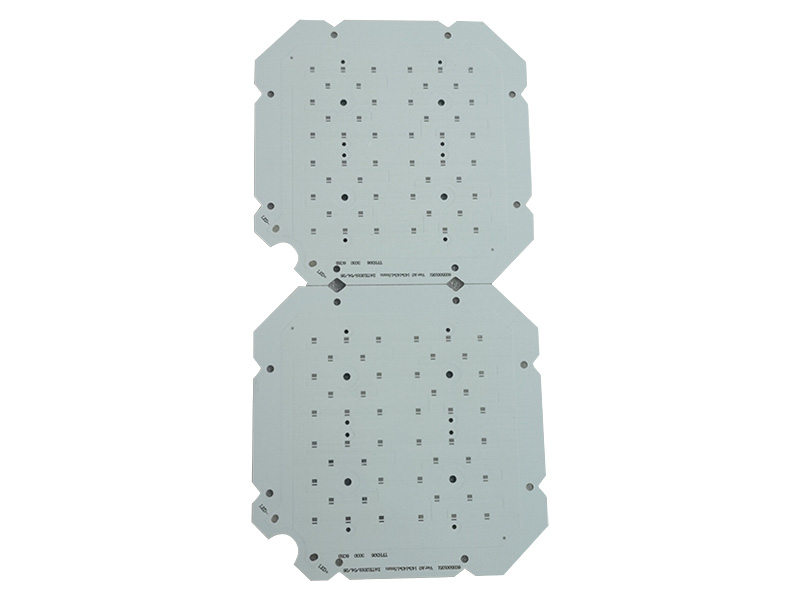
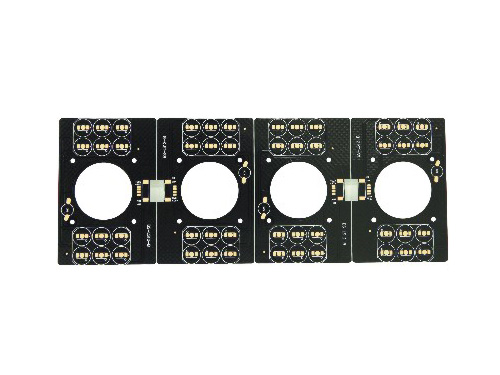
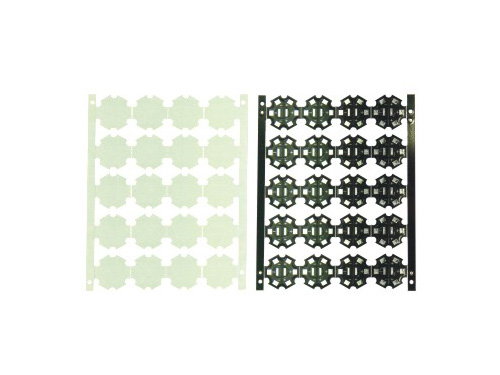
In the manufacturing process of circuit boards, the final product undergoes surface solderability treatment, which plays a crucial role in the assembly and use of the final product. Domestically and internationally, for the final surface solderability coating of printed circuit boards, the main surface treatment methods include: "hot air leveling, organic solderability preservative (OSP), electroless nickel/gold immersion, electroless silver, tin immersion, tin/lead reflow treatment, electroplated nickel/gold, and chemical palladium deposition." These types are very suitable for circuit boards, but with the enhancement of environmental awareness, PCB is moving toward 3-no (lead-free, bromide-free, chloride-free) products.
However, this environmentally friendly technology is not yet fully mature and requires further research before it can be applied. The production of circuit boards requires a large number of process flows and precision instruments. Since the technology is not fully mechanized, these machines require a large number of employees to operate, and people make mistakes, let alone producing these circuit boards. How to reduce these problems is also an important issue faced by many enterprises.
The above is the relevant introduction from the LED aluminum substrate manufacturer on how to treat the surface of circuit boards. If you want to learn more information, please feel free to consult us.