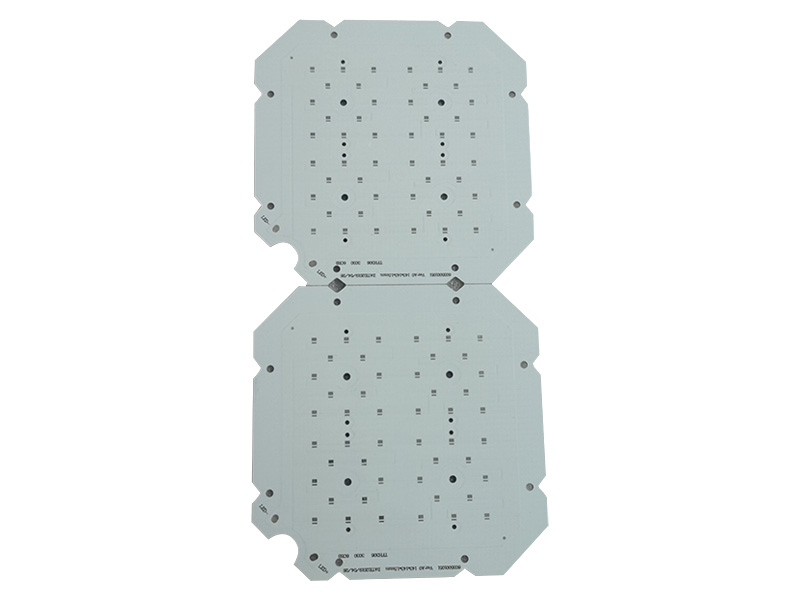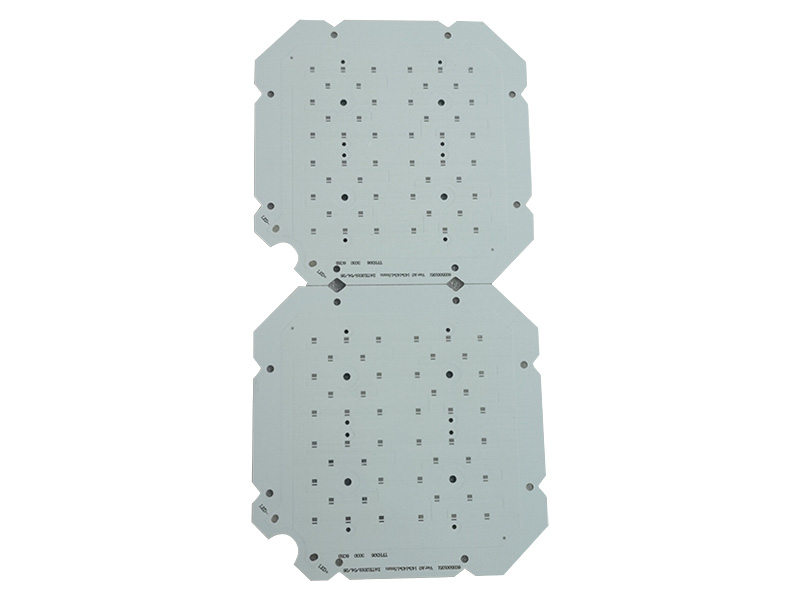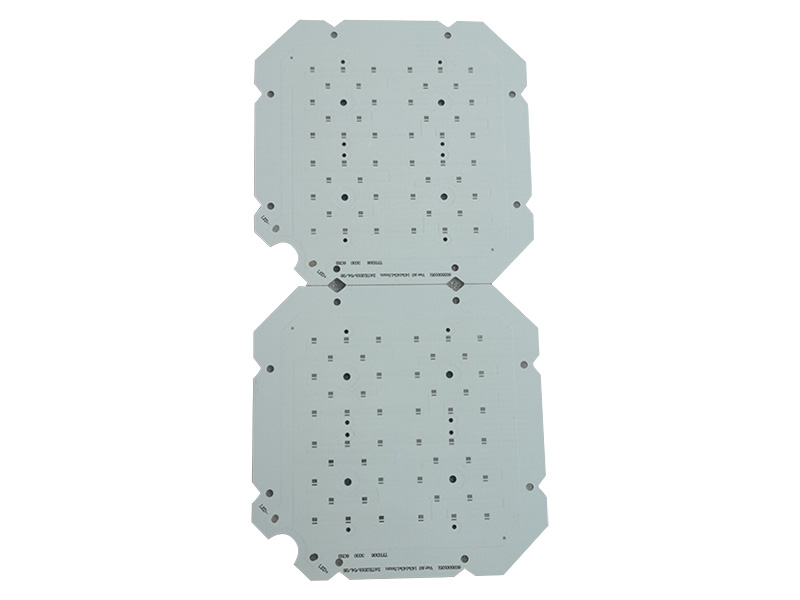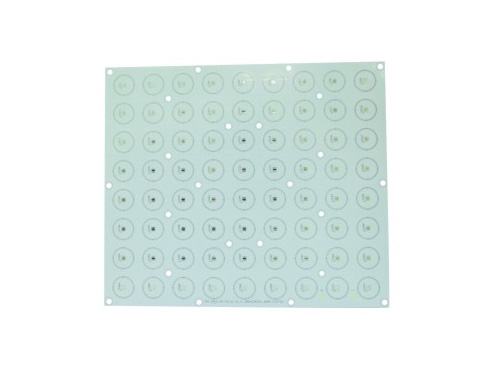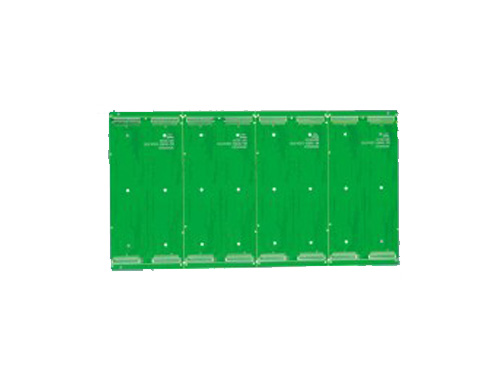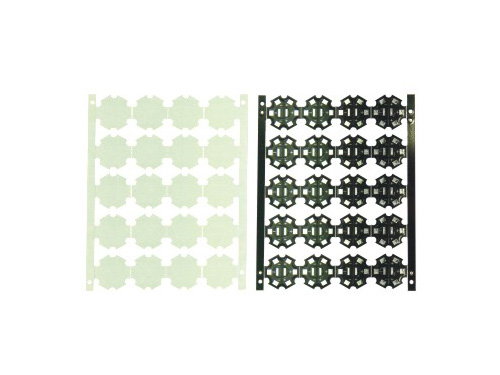
Every aluminum substrate circuit board repair engineer has his own different judgment methods and repair ideas. However, in terms of maintenance steps, they can be summarized into the following six steps. To understand board faults for repair, first understand the fault situation; a smaller fault judgment scope is conducive to the development of repair work. Therefore, understanding the fault situation of the aluminum substrate board is very important for starting the repair.
1. Board observation: Board observation is a study to preliminarily understand information such as what input and output interfaces the board has, what functions the board realizes, and the distribution of the board's control part.
2. Circuit testing: After understanding the fault, observe the board and perform preliminary testing on the board according to the actual situation. Circuit testing may not find the fault point of the board, but experienced circuit board maintenance personnel can use testing to rule out a large range of faults, paving the way for future repairs.
3. Component testing: Component inspection. Most components need to be removed from the circuit board with a soldering iron and then tested on professional equipment. This process will damage the external integrity of the circuit board, so under normal circumstances, maintenance personnel shall not disassemble components at will.
4. Fault repair: Through line testing and component testing, the identified faults are handled, including line repair, component replacement, and modification.
5. On-machine testing: After completing the maintenance work, the board needs to be re-tested for lines. After confirming that there is no fault, it can be tested on the machine.
Shenzhen Mingshihai Electronics Co., Ltd. is a professional manufacturer of special metal-based materials for R&D and production of high-thermal-conductivity high-power LED aluminum-based circuits, double-sided aluminum-based circuits, single/double-sided copper-based circuits, thermal-decoupled copper-based circuits, ceramic circuits, and glass circuits. Products are widely used in LED lighting, automotive, computers, communication equipment, power supplies, audio, electrical, medical equipment, and other fields. After years of development, Mingshihai Electronics has established a high reputation in the industry. Mingshihai Electronics has a group of engineering and technical personnel who have been professionally engaged in aluminum-clad board R&D for many years, and a strong R&D team is the foundation of its solid development backing.