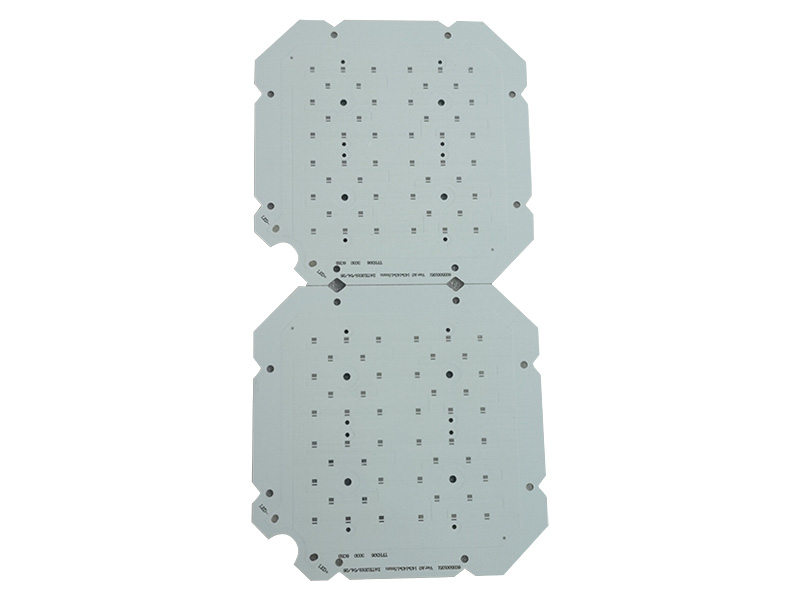
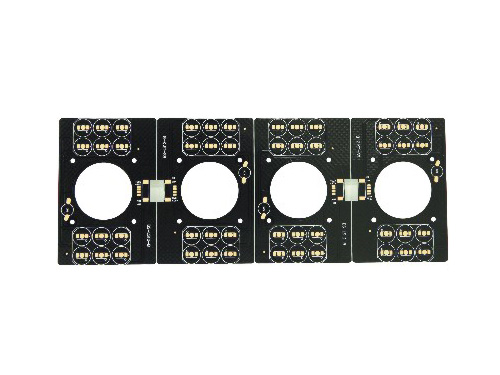
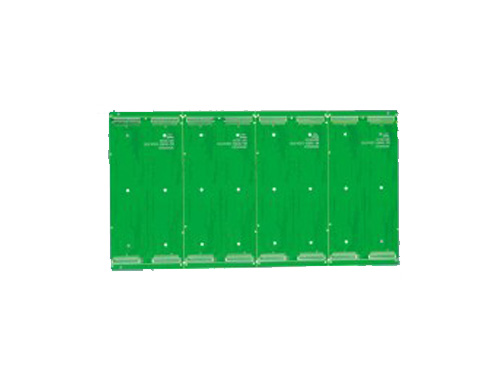
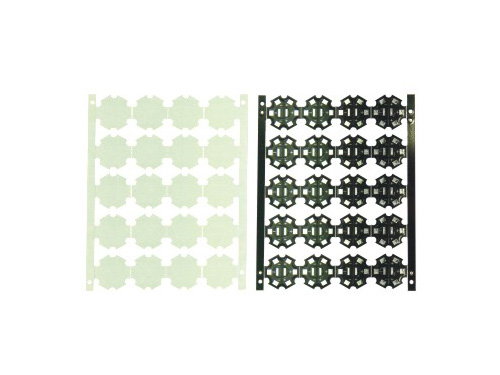
Shenzhen Mingshihai Electronics Co., Ltd. is an enterprise specializing in the production of high-performance, high-thermal-conductivity LED aluminum substrates, copper substrates (thermal-decoupled), copper-aluminum composite boards, and other metal plates. The company has a full set of professional equipment for producing sheet metal (aluminum plates, copper substrates), automated production equipment, and precision testing equipment. Over the past 8 years, focusing on the R&D and manufacturing of metal PCBs, we have achieved breakthrough progress among the first batch domestically. Products such as bendable aluminum plates, 1.5-meter long boards, ultra-thin 0.3mm boards, high-thermal-conductivity (122W) aluminum-aluminum boards, and copper substrates (thermal-decoupled) are widely used in LED lighting, high-power power supplies, automotive lighting, new energy batteries, IES, charging piles, etc. The company has a professional team with rich experience in process technology and quality (more than 10 years of experience), and it is our responsibility to help customers solve metal circuit board problems. The company is self-sufficient throughout the production process, with a monthly output of 20,000 square meters.
At present, LED aluminum substrate is the most common substrate in the LED industry. What problems exist with LED aluminum substrates in China?
1. Confusion in LED aluminum substrate pressure indicators; including confusion in breakdown voltage and arc effect; contradiction between the withstand voltage of the whole lamp and that of the LED aluminum substrate; the impact of circuit design and structural design on voltage; and some LED aluminum strip M substrates on the market have actually measured voltages exceeding 800V.
2. Confusion in the unification of thermal conductivity testing methods and test results, such as laser internal light testing method; 5740 testing; thermal conductivity of the dielectric layer and finished LED aluminum substrates.
3. No unified specification for aluminum-clad copper plate materials. There are CPCA industry standards, national standards, international standards, etc.
4. Unqualified copper foil thickness of LED aluminum substrates. However, some measured values of 18um are only 15um or lower, only 10um.
5. Counterfeit and shoddy, cutting corners, inferior quality, and speculation.
The current industry, from design specifications, processing techniques, to acceptance standards, has no unified version. Basically, everyone says their own thing: whatever comes, as long as you buy I sell, as long as you sell I buy, without talking about quality reliability, and what the product was like at that time. CTS in the market price, messy products are also passed off as genuine. Light sources, power supplies, and LED aluminum substrates are part of the three cores that constitute the entire lamp. LED aluminum plates ultimately affect the LED lighting market. To get rid of the chaos in LED aluminum substrate manufacturing methods, the following points must be achieved: first, there is no standard that meets the industry level; second, suppliers designated by suppliers and suppliers. Acceptance standards are determined by both parties; authorized testing.