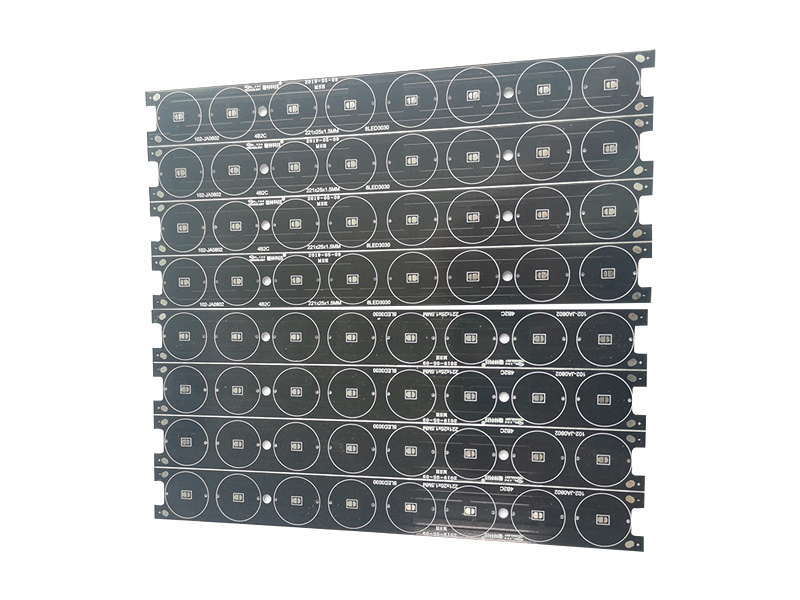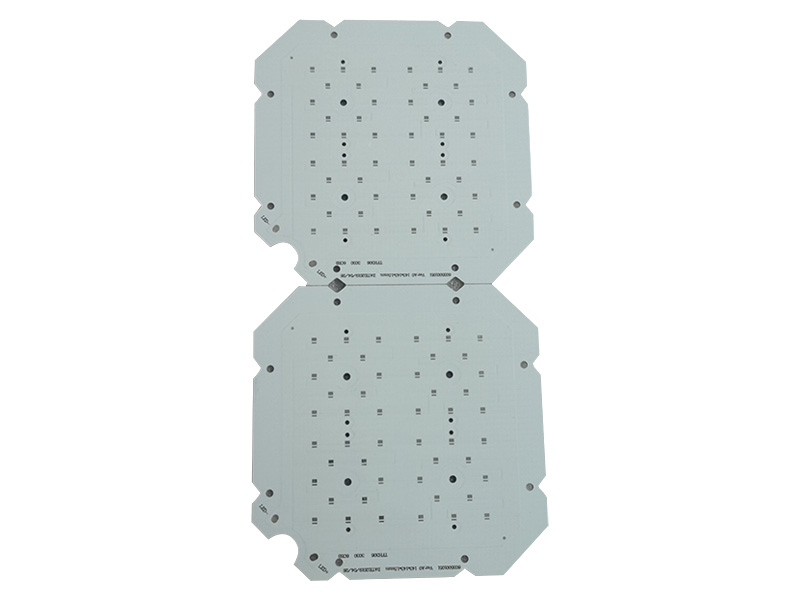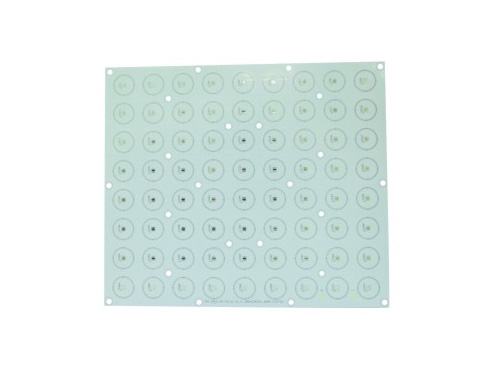
Electronics companies purchase qualified PCB aluminum substrate products selectively. So when purchasing PCB aluminum substrates, from what angle should their quality be judged? To save resources, how should electronics companies choose when buying PCB aluminum substrates? Below, PCB aluminum substrate manufacturer Mingshihai Electronics explains how to select PCB aluminum substrates.
1. The front and back sides of the aluminum substrate.
The pros and cons of an aluminum substrate can be seen from its surface. A good aluminum substrate has uniform surface quality and color, while a poor one shows uneven color and a blurred appearance; it can also be judged from both sides of the aluminum plate—the finer and more refined the aluminum texture, the better the quality.
2. The flexibility of the aluminum substrate.
A bright copper substrate has a more refined appearance. If the aluminum plate is made of the same material, imported material has a relatively higher density and is thicker than an aluminum substrate made from ordinary aluminum plate.
3. Poor-quality aluminum substrates have an odor.
Inferior aluminum substrates give off a pungent smell, while high-quality aluminum substrates are odorless.
4. Test the oxidation resistance and mildew resistance of the aluminum substrate.
Many people worry about the low copper oxidation rate of aluminum substrates. To test the oxidation resistance, apply a drop of sweat for about 10~15 minutes; if the color of the aluminum substrate changes, its oxidation resistance is poor, and vice versa.
That is all for today's sharing. If you have any other questions, please feel free to call us for consultation!